Portuguese Church

About

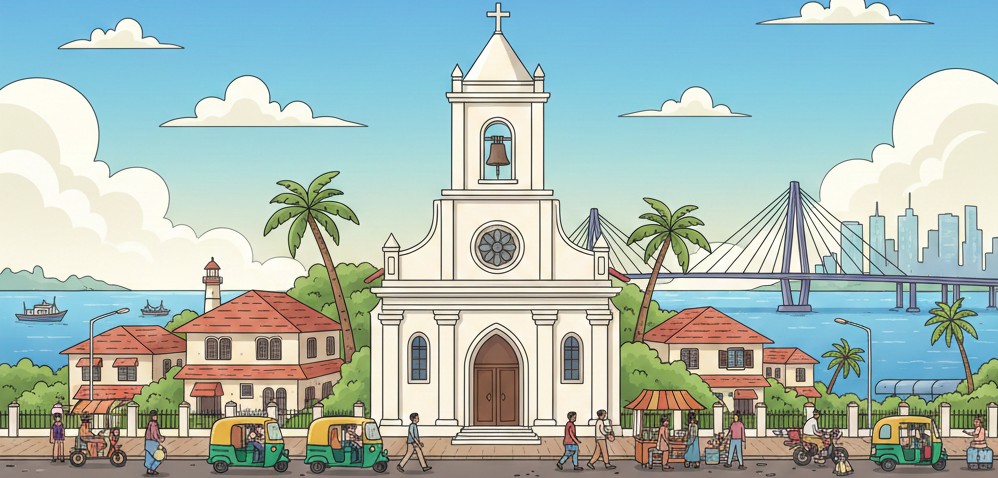
The Portuguese Church in Mumbai, also known as the Our Lady of Salvation Church, stands as a timeless example of faith, architecture, and cultural legacy in the bustling suburb of Bandra. Originally built by Portuguese missionaries in the 16th century, this church holds the distinction of being one of the earliest Roman Catholic structures in the city.

Portuguese Church was later reconstructed in the 1970s under the visionary guidance of renowned architect Charles Correa, who transformed it into a symbol of modern Indian ecclesiastical architecture.

Portuguese Church structure’s most striking feature is its unique design — a series of slanting, pyramid-like roofs that rise towards the sky, reflecting both simplicity and strength. Unlike the traditional Gothic or Baroque styles often seen in old churches, the Portuguese Church embraces modernism, with clean lines and open spaces that invite natural light. The geometric structure symbolises ascension and spiritual elevation, while the wide prayer hall fosters community and peace.

Inside Portuguese Church, visitors are greeted by a calm and minimalistic interior that promotes quiet reflection. The altar is adorned with subtle artwork, and the play of light and shadow creates a tranquil atmosphere during mass. The bell tower, constructed in concrete, complements the modern form and serves as a visual anchor within the Bandra skyline.

Beyond its architectural brilliance, the church remains a vibrant spiritual centre. It serves as the heart of the local Catholic community, hosting masses, charitable drives, and festive events, especially during Christmas and the Feast of Our Lady of Salvation.

Interesting highlights for visitors include:

  • The church’s modern design was among Charles Correa’s most celebrated works.
  • It replaced the original 16th-century structure that stood for nearly four centuries.
  • Its unique architectural form symbolises renewal and hope amidst urban growth.
  • The church’s compound often serves as a peaceful retreat from the busy Bandra streets.


Whether you are an admirer of architecture, a seeker of serenity, or a traveller tracing the spiritual roots of Mumbai, the Portuguese Church offers a rare blend of heritage, design, and devotion. It truly stands as one of Mumbai’s finest examples of how history and modern faith coexist harmoniously.
History

The Portuguese Church in Mumbai carries a deep historical legacy that dates back to the 16th century. Established by Portuguese missionaries shortly after their arrival on the western coast of India, it was one of the earliest Roman Catholic churches in the region.

Portuguese Church is Known officially as the Our Lady of Salvation Church, it served as a vital spiritual centre for the growing Christian community of Bandra. The original structure reflected typical Portuguese colonial design, featuring simple stone masonry, wooden altars, and arched windows.

However, after centuries of wear and the changing urban landscape of Mumbai, a major reconstruction was undertaken in the 1970s. The task was entrusted to the visionary architect Charles Correa, who reimagined the church with a strikingly modern architectural style that balanced heritage with contemporary design.

  • The church was first established by Portuguese missionaries in the 16th century.
  • It was originally constructed in classic colonial style using local stone and wood.
  • The new modern structure was completed in the 1970s by architect Charles Correa.
  • The reconstruction aimed to preserve the church’s spiritual essence while introducing geometric innovation.
  • Over the years, the Portuguese Church has remained a central place of worship and community gathering in Bandra.


Facts & Figures

The Portuguese Church, or the Our Lady of Salvation Church, stands as a remarkable example of how faith and modern design can harmoniously coexist. Beyond its religious importance, the church holds architectural and cultural value, making it one of Mumbai’s must-visit landmarks for those interested in history and design.

Built under the visionary direction of Charles Correa in the 1970s, it redefined church architecture in India through its unconventional layout and symbolic pyramid forms. Every element of the structure was designed with purpose — to bring the congregation closer together and create a sense of spiritual openness.

  • Location: Bandra West, Mumbai, Maharashtra.
  • Founded: Originally in the 16th century, rebuilt in the 1970s.
  • Architect: Charles Correa, one of India’s most celebrated architects.
  • Architectural Style: Modernist with geometric and symbolic design.
  • Main Material: Concrete, reflecting strength and permanence.
  • Height: Approx. 50 feet at its tallest pyramid peak.
  • Capacity: Can accommodate nearly 500 worshippers during mass.
  • Key Feature: Distinctive pyramid-shaped roofs symbolising spiritual ascension.
  • Affiliation: Roman Catholic Archdiocese of Bombay.
  • Visitor Type: Open to all faiths; welcomes both devotees and tourists.


Over the decades, the Portuguese Church has become not only a place of worship but also a subject of study for architecture students and historians. Its innovative design continues to inspire architects worldwide who explore the intersection of faith, form, and community.

0210
Current Scenario

Today, the Portuguese Church in Mumbai continues to be a thriving centre of faith, culture, and community engagement. Despite being several centuries old in legacy, the church stands as a symbol of renewal and resilience in the heart of Bandra. With its modern design and peaceful ambience, it attracts both devout Catholics and curious travellers eager to witness the creative genius of Charles Correa.

The church regularly hosts daily masses, prayer meetings, and community service programs that uphold the values of compassion and inclusivity. Festivals such as Christmas and Easter draw large crowds, turning the church courtyard into a lively celebration of faith and unity.

  • The church remains fully active and serves thousands of parishioners every week.
  • Its modernist structure has been well-maintained and preserved for over five decades.
  • The Bandra community considers it a spiritual and cultural landmark.
  • Photography enthusiasts often visit to capture its distinctive geometric façade.
  • Charity drives, social initiatives, and youth gatherings are frequently held here.
  • Evening masses are particularly peaceful and attract both locals and tourists.
  • The church’s management ensures the upkeep of both heritage and hygiene standards.


In recent years, the Portuguese Church has also gained attention in urban heritage circuits, often featured in architectural tours of Mumbai. Its quiet yet commanding presence continues to remind visitors that spirituality and modernism can coexist beautifully within the same sacred space.


Best Time to Visit

The best time to visit the Portuguese Church in Mumbai is during the cooler and more pleasant months between November and February. The comfortable weather makes it ideal for exploring not only the church itself but also nearby attractions in Bandra such as the Mount Mary Basilica, Bandra Fort, and Bandra Bandstand.

Visitors can experience the church at its most vibrant during festive periods like Christmas and the Feast of Our Lady of Salvation, when the entire parish comes alive with decorations, lights, and joyful gatherings.

  • Peak Season: November to February offers pleasant weather for sightseeing and attending church services.
  • Festive Time: Visit during Christmas or the Feast of Our Lady of Salvation for an immersive cultural experience.
  • Monsoon (June to September): The area gets heavy rainfall; however, the church’s modern design looks especially scenic in rain.
  • Summer (March to May): Can be hot and humid; morning or evening visits are recommended.
  • Visiting Hours: Morning masses are peaceful, while evening prayers offer a more communal atmosphere.


Overall, the ideal time to explore the Portuguese Church is during Mumbai’s winter season, when the climate, festivities, and ambience align perfectly for a serene yet inspiring visit.

0410
Timings, Entry Fees & Rules

The Portuguese Church in Mumbai, officially known as the Our Lady of Salvation Church, welcomes visitors and devotees throughout the week. Being an active parish church, it does not charge any entry fee, and all are welcome to attend its masses, prayer services, and community activities.

The timings vary slightly between weekdays and weekends, with special masses held during major Christian festivals like Christmas and Easter. Visitors are encouraged to maintain silence and respect during ongoing prayers and services. Photography is usually permitted in the outer premises but may be restricted inside during worship hours.

  • Opening Hours: Daily from 6:00 AM to 8:00 PM.
  • Mass Timings: Weekdays - 6:30 AM and 7:30 PM; Sundays - 6:00 AM, 8:00 AM, and 10:00 AM.
  • Entry Fee: No entry fee; open to all visitors regardless of faith.
  • Photography: Allowed in exterior areas; restricted during services.
  • Dress Code: Modest and respectful clothing is appreciated.
  • Special Services: Additional masses during Christmas, Good Friday, and the Feast of Our Lady of Salvation.
  • Accessibility: The premises are wheelchair accessible with ramps and open spaces.
  • Contact: Visitors can reach the parish office at Bandra West for updated mass schedules.


Please note: Timings and service schedules are subject to change during festivals and holidays. Visitors are advised to check the church’s official notice board or contact the parish office before planning their visit.


How to Reach

Reaching the Portuguese Church in Mumbai is convenient thanks to its prime location in Bandra West, one of the city’s most accessible and well-connected suburbs. The church is located on S.V. Road, near D’Monte Street, surrounded by major landmarks, shopping streets, and residential areas. Travellers can reach it easily by road, train, or air.

  • By Air: The nearest airport is the Chhatrapati Shivaji Maharaj International Airport, located about 8 km from Bandra. From there, visitors can hire a cab, auto-rickshaw, or use app-based taxis to reach the church in around 20–25 minutes depending on traffic.

  • By Train: The nearest railway station is Bandra Railway Station (Western Line), situated approximately 1.5 km from the church. Local taxis or shared autos are available outside the station for a quick ride.

  • By Metro: The Bandra Metro Station (on the upcoming Line 2B) will make future connectivity even smoother for visitors coming from different parts of Mumbai.

  • By Road: The church lies directly along S.V. Road and can be accessed easily by car or bus. Several BEST buses operate through Bandra with stops within walking distance of the church.

  • Nearby Landmarks: Mount Mary Basilica, Hill Road, and Bandra Bandstand are all within 2 km radius of the church, making it a convenient stop during local sightseeing tours.


For travellers using private vehicles, parking is available in the surrounding lanes, though it can get limited during Sunday mass or festive occasions. The best time to visit is during the early morning or late evening hours when traffic is lighter and the church surroundings are more peaceful.

0610
Tips & Hacks

Visiting the Portuguese Church in Mumbai can be a deeply enriching experience if you plan your visit thoughtfully. As it is both a place of worship and a historic landmark, maintaining respect and awareness of church etiquette is important. Here are some practical tips and travel hacks to help you make the most of your visit.

  • Best Time: Visit early in the morning around 6:30 AM or in the evening after 6:00 PM for a peaceful experience and fewer crowds.
  • Photography: While exterior photography is allowed, avoid using flash or taking pictures during mass hours.
  • Footwear: Remove your shoes before entering the inner sanctum as a mark of respect.
  • Silence: Keep conversations minimal and phones on silent mode to maintain the church’s calm atmosphere.
  • Dress Code: Wear modest clothing covering shoulders and knees to respect the sanctity of the place.
  • Seating: Visitors may quietly sit inside during ongoing prayers, but it’s courteous to wait for breaks between hymns.
  • Local Transport Tip: Autorickshaws and app cabs are readily available in Bandra; prefer autos for short-distance travel.
  • Nearby Exploration: Combine your visit with nearby attractions like Mount Mary Basilica and Bandra Bandstand.
  • Safety: The area is generally safe, but avoid carrying excessive cash or valuables during crowded festival events.
  • Weather Tip: During the monsoon months, carry an umbrella as Bandra often experiences heavy rains.


These tips ensure a respectful, smooth, and memorable visit to the Portuguese Church, allowing you to enjoy both its spiritual energy and architectural beauty without any inconvenience.


Recommendations for Tourists

The Portuguese Church in Mumbai appeals to both local and international tourists with its serene atmosphere and striking modernist design. Whether you are a resident of Mumbai exploring your city’s heritage or a traveller from abroad discovering its cultural diversity, this landmark promises a unique and reflective experience.

  • For Local Tourists: Ideal for a peaceful morning visit or an evening walk around Bandra West. Combine your visit with nearby attractions such as the Mount Mary Basilica, Bandra Fort, or Jogger’s Park.
  • Budget Tip: Entry is free, and local snacks and cafés around Hill Road offer affordable dining options post-visit.
  • For International Tourists: A must-see example of modern Indian architecture by Charles Correa. Opt for a guided heritage walk or a private tour of Bandra’s religious landmarks.
  • Photography Enthusiasts: Visit early morning for soft light and minimal crowd; the pyramid-style structure makes for great architectural shots.
  • Cultural Insight: Attend a Sunday mass to experience the harmony of spirituality and local community life in Mumbai.
  • Itinerary Suggestion: Morning at Portuguese Church, afternoon shopping at Hill Road, and sunset at Bandra Bandstand.
  • Accessibility Tip: The church compound is wheelchair-friendly and has shaded areas for rest, suitable for senior citizens and families.


The Portuguese Church offers more than a religious experience — it’s a chance to appreciate the artistic legacy of Charles Correa and the enduring faith of the local community. Whether you’re seeking quiet reflection, architecture, or cultural connection, this destination beautifully bridges all three.

0810
Food Courts / Food Options Nearby

Food lovers visiting the Portuguese Church in Bandra West, Mumbai, are in for a delightful culinary experience. The area is known for its vibrant mix of street food, iconic cafes, and fine-dining restaurants that reflect Mumbai’s multicultural charm. Whether you are looking for a quick snack after morning mass or a relaxed evening meal, there are plenty of options to suit every budget.

  • Cheap & Local Eats: Try Hearsch Bakery (₹150–₹200 per person) for puffs, rolls, and burgers, or grab a street-side sandwich at Hill Road.
  • Mid-Range Cafes: Salt Water Café and Blue Tokai Coffee Roasters (₹600–₹900 per person) offer European and continental dishes with a calm ambience.
  • Fine Dining: Pali Village Café and Toto’s Garage (₹1200–₹1500 per person) are stylish options for a sophisticated dining experience with creative menus.
  • Seafood Lovers: Gajalee (₹800–₹1000 per person) is a must-try for authentic coastal Maharashtrian seafood delicacies.
  • Sweet Cravings: Don’t miss American Express Bakery and J. Hearsch for their signature pastries and plum cakes.
  • Must-Try Local Dish: The Bandra-style Chicken Roll and Beef Patty from Hearsch Bakery are local favourites.
  • Beverage Tip: For a relaxed vibe, sip coffee or iced latte at Blue Tokai or Birdsong Café (₹400–₹600 per person).


With so many food choices within walking distance, visitors to the Portuguese Church can easily turn their spiritual stop into a full-day experience of exploring Bandra’s food scene. From budget bites to boutique cafes, this neighbourhood truly satisfies every craving.


Additional Notes / Fun Facts

The Portuguese Church in Bandra West, Mumbai, is not just a religious site but a fascinating example of how architecture, history, and faith come together in harmony. Its unique design and cultural backdrop have given rise to several interesting facts and anecdotes that make it stand out among Mumbai’s many landmarks.

  • The church is officially named the Our Lady of Salvation Church, but locals lovingly call it the Portuguese Church because of its early origins under Portuguese missionaries.
  • The present structure designed by Charles Correa in the 1970s was among the first modern churches built in independent India.
  • Its distinctive pyramid-style roof design represents the concept of spiritual ascension and simplicity in faith.
  • Each of the triangular roofs is symbolic of the Holy Trinity — the Father, the Son, and the Holy Spirit.
  • The church compound features open spaces for prayer and community gatherings, encouraging interaction and inclusivity.
  • The building has often been featured in architecture documentaries and photo journals for its minimalistic yet powerful visual appeal.
  • Many locals believe the site carries positive spiritual energy, making it a peaceful spot even amid the bustling Bandra neighbourhood.
  • During Christmas, the church is illuminated beautifully and hosts carol singing events open to the public.
  • Students of architecture frequently visit it as part of design and heritage study tours.


In short, the Portuguese Church is not only a testimony of faith but also a living classroom of design, culture, and community spirit in the heart of Mumbai.

0


Places Nearby Portuguese Church
Frequently Asked Questions
Q1: What is the history behind the Portuguese Church in Mumbai?
A1: The Portuguese Church in Mumbai, officially known as the Our Lady of Salvation Church, was originally built by Portuguese missionaries in the 16th century. It was later redesigned in the 1970s by architect Charles Correa, who gave it its distinctive modern look while preserving its historic and spiritual significance.
Q2: Who designed the modern structure of the Portuguese Church in Mumbai?
A2: The modern architectural design of the Portuguese Church was created by celebrated Indian architect Charles Correa in the 1970s. His design used pyramid-shaped roofs and minimalistic geometry, symbolising simplicity, spirituality, and modern faith.
Q3: Is there any entry fee to visit the Portuguese Church in Bandra?
A3: No, there is no entry fee to visit the Portuguese Church in Bandra. The church is open to people of all faiths and welcomes visitors throughout the day for prayer, reflection, and sightseeing.
Q4: What are the visiting hours of the Portuguese Church in Mumbai?
A4: The Portuguese Church in Mumbai remains open daily from 6:00 AM to 8:00 PM. Visitors can attend morning or evening masses, or visit during the day to admire the church’s architecture and serene ambience.
Q5: Where is the Portuguese Church located in Mumbai?
A5: The Portuguese Church is located on S.V. Road, near D’Monte Street, in Bandra West, Mumbai. It lies close to landmarks such as Mount Mary Basilica and Bandra Bandstand.
Q6: What is the architectural style of the Portuguese Church in Mumbai?
A6: The Portuguese Church features a modernist architectural style designed by Charles Correa. It is known for its pyramid-shaped roofs, open layout, and use of natural light, reflecting contemporary Indian architecture inspired by faith.
Q7: Why is the church called the Portuguese Church in Bandra?
A7: It is called the Portuguese Church because it was originally established by Portuguese missionaries during the 16th century. Over time, the nickname became popular, even though the official name is the Our Lady of Salvation Church.
Q8: What is special about the Portuguese Church in Mumbai?
A8: The Portuguese Church in Mumbai is unique for its striking pyramid-shaped structure, designed by Charles Correa, which symbolises spiritual ascent. It’s also one of the oldest Roman Catholic parishes in the city, with deep cultural and architectural value.
Q9: Can tourists attend mass at the Portuguese Church in Bandra?
A9: Yes, tourists are welcome to attend mass at the Portuguese Church in Bandra. Visitors are advised to dress modestly, maintain silence, and respect the sanctity of the church during prayers and ceremonies.
Q10: How can I reach the Portuguese Church in Mumbai?
A10: The Portuguese Church can be reached easily via Bandra Railway Station (1.5 km away) or from the Chhatrapati Shivaji Maharaj International Airport (around 8 km). It is located along S.V. Road and is accessible by cab, bus, or auto-rickshaw.
Q11: When is the best time to visit the Portuguese Church in Mumbai?
A11: The best time to visit the Portuguese Church is between November and February when the weather is pleasant. The church is beautifully decorated during Christmas and the Feast of Our Lady of Salvation, making these ideal times to visit.
Q12: Is photography allowed inside the Portuguese Church in Mumbai?
A12: Photography is generally allowed in the exterior areas of the Portuguese Church, but visitors should avoid clicking pictures inside the prayer hall during mass or other religious services out of respect for worshippers.
Q13: What festivals are celebrated at the Portuguese Church in Bandra?
A13: The Portuguese Church celebrates major Christian festivals such as Christmas, Easter, and the Feast of Our Lady of Salvation with special masses, decorations, and community events that attract both locals and visitors.
Q14: Are there any famous attractions near the Portuguese Church in Mumbai?
A14: Yes, popular attractions near the Portuguese Church include the Mount Mary Basilica, Bandra Fort, Bandra Bandstand, Jogger’s Park, and Hill Road Market — all located within a short distance in Bandra West.
Q15: Is the Portuguese Church in Mumbai wheelchair accessible?
A15: Yes, the Portuguese Church is wheelchair accessible. The church compound includes ramps, wide pathways, and open areas, making it comfortable for elderly visitors and people with mobility challenges.